


Markets
Infection Control Solutions for Medical Devices
UFP MedTech manufactures infection control medical devices and components for medical device OEMs, from barrier films and protective drapes to single-use assemblies and fluid management systems. Our design‑through‑manufacturing model is built and supported by ISO 13485–certified and FDA‑registered facilities, giving OEM partners the regulatory confidence, quality system integrity, and traceability they need from day one. Whether you are developing a new infection prevention product or scaling an existing line, UFP MedTech delivers full-service contract development and manufacturing under one roof, from concept and prototyping through high-volume production.
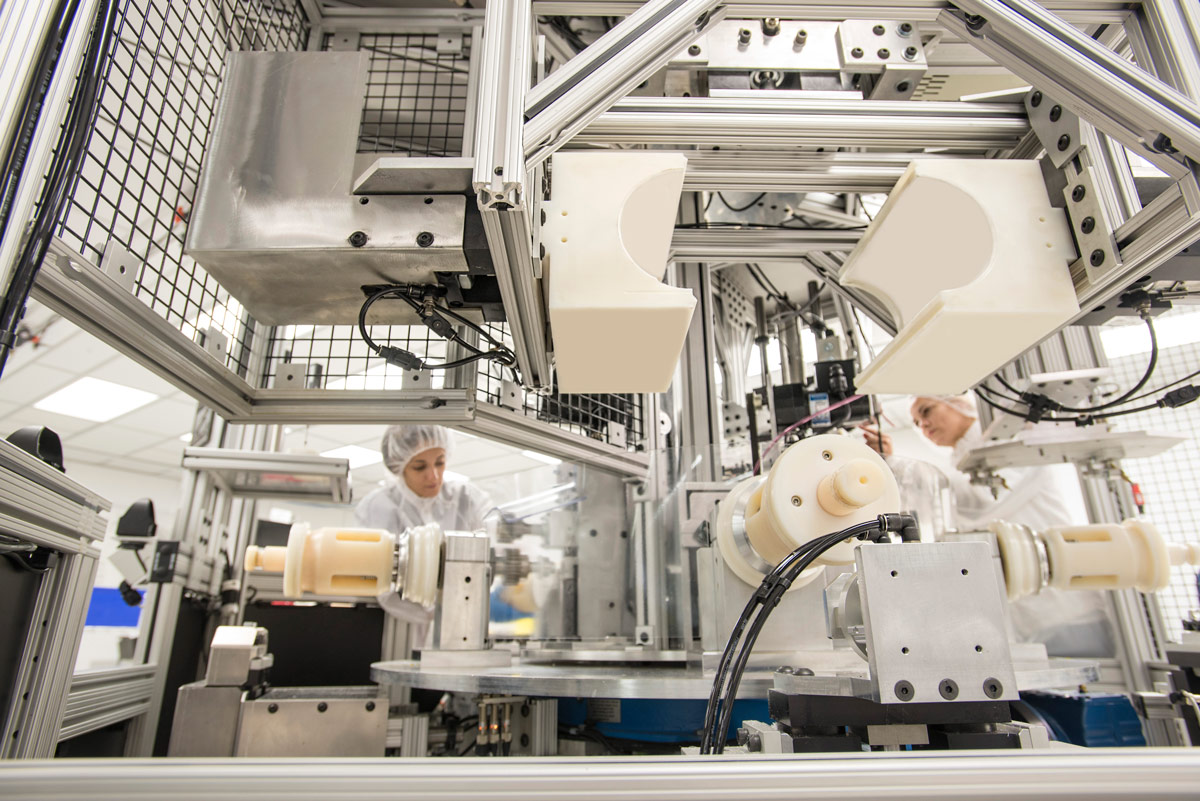
Our Expertise: Infection Control Products We Manufacture
UFP MedTech produces a broad range of infection control components for Class I–III device OEMs. Core product categories include:
- Skin Preparation & Vascular Access Disinfection:
Surgical prep applicators (e.g. CHG and iodine), disinfecting caps, IV port cleaners, and precision foam components used in devices designed to support disinfection protocols.
- Surgical Draping & Equipment Protection: Precision-engineered single-use sterile drapes, and polyethylene and TPU films providing reliable microbial barrier properties for surgical and procedural applications.
- Fluid Management and Patient Care Components: Fluid handling, containment, filtration, and collection system components, along with absorbent foam components and oral swabs used in infection-sensitive clinical environments.
Read our guide: Infection Prevention Solutions: From Concept to Scalable Manufacturing →
Materials Used in Infection Control Device Manufacturing
Material selection is central to infection prevention performance. UFP MedTech works with a curated range of medical-grade materials validated for biocompatibility and sterilization compatibility:
- Open-Cell Foams (e.g. Reticulated Polyurethane) – Open-cell foam used in absorbent, fluid transfer, applicator, and swab components where controlled fluid handling is required.
- Closed-Cell Foams (e.g. Polyurethane) — Impermeable foam substrates for wound care, sealing, and cushioning applications in infection control devices.
- TPU Films — High-barrier thermoplastic polyurethane for flexible, skin-safe applications with strong puncture resistance.
- Polyethylene Films — Cost-effective, chemically resistant films for barrier and containment applications.
- Non-Woven Fabrics — Breathable, fluid-resistant materials used in drapes, wraps, and packaging components.
View our full barrier films and medical-grade materials library.
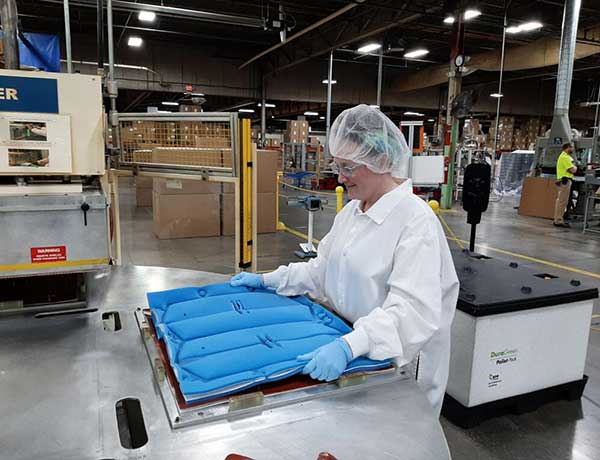
Our Infection Control Manufacturing Capabilities
UFP MedTech supports the full product development lifecycle from initial design and prototyping through validated, high-volume production without handoffs to third-party manufacturers. Our infection control manufacturing capabilities include:
- Cleanroom Manufacturing — ISO-classified cleanroom manufacturing environments for contamination-sensitive device assembly.
- Die Cutting & Precision Fabrication — High-repeatability cutting for barrier films, drapes, and foam components to tight dimensional tolerances.
- Lamination — Multi-layer material bonding for complex barrier constructions requiring combined performance properties.
- Sterilization Packaging —sterilization-compatible packaging to maintain device sterility through distribution.
- Custom Assembly & Sub-Assembly — Component integration and kitting for single-use assemblies requiring multiple material types.
Our design through manufacturing model eliminates the time and risk associated with multi-supplier handoffs giving OEM partners a single point of accountability from design lock to first commercial shipment.

Ready to start your infection control device project?
Our team works with OEM engineers from early design through validated manufacturing. Tell us about your project. We’ll respond within one business day.
Regulatory Compliance & Certifications
UFP MedTech operates under a certified quality management system that meets the requirements of both major regulatory frameworks governing medical device manufacturing:
| ISO 13485
Quality Management System for Medical Devices, applicable to our certified manufacturing facilities. Demonstrates implementation of design controls, supplier management, risk management, and product traceability across the entire product lifecycle. |
FDA 21 CFR Part 820
Our manufacturing facilities are registered with the U.S. Food and Drug Administration (FDA) and operate in accordance with applicable Quality Management System Regulation (QMSR) requirements, including design controls, production and process controls, and corrective and preventive action (CAPA). |
For OEM partners, these certifications support the implementation of documented quality system processes, including maintenance of design history files, in accordance with applicable regulatory requirements

Why OEMs Choose UFP MedTech for Infection Control
- Single-Source CDM — Design, prototyping, and high-volume production under one roof, with one point of contact and one quality system.
- Demonstrated Regulatory Adherence — ISO 13485-certified and FDA 21 CFR Part 820-aligned so your device project starts on a compliant foundation from day one.
- Infection Control Materials Expertise — Deep familiarity with barrier film performance, biocompatibility requirements, and sterilization compatibility for infection prevention applications.
- Faster Time-to-Market — Eliminating supplier handoffs between design and manufacturing compresses development timelines and reduces qualification risk.
- Scalable Manufacturing — From first prototype to commercial production volumes with validated processes supported by documented quality system processes in accordance with applicable regulatory requirements.
Frequently Asked Questions

Manufacture Your Infection Control Device with UFP MedTech
Partner with a single ISO 13485-certified CDM for design, prototyping, and scalable production. No supplier handoffs. No regulatory ambiguity.